
Call: 08071930543
 Send Inquiry
 Send Inquiry
Reciprocal Shaker
Reciprocal Shaker Specification
- Material
- Mild Steel / Stainless Steel
- Condition
- New
- Portable
- Yes
- Disposable
- No
- Wall Mounted
- No
- Light Source
- No
- Waterproof
- No
- Sensor
- No
- Noise Level
- < 60 dB
- Sound Prompt
- No
- Operating Type
- Digital / Manual
- Power Source
- Electric
- Voltage
- 220V AC, 50Hz
- Power Consumption
- Usually 30-60 Watts
- Dimension (L*W*H)
- 455 x 355 x 225 mm
- Weight
- Approx. 12 kg
- Color
- Blue/White (may vary)
- Usage
- Laboratory Mixing and Agitation
- Equipment Type
- Reciprocal Shaker
- Applications
- Used in tissue culture, microbiology, clinical, and chemical labs for mixing and agitation
- Timer
- 0 to 120 min (with automatic switch off)
- Shaking Amplitude
- 25 mm to 40 mm (adjustable)
- Movement Type
- Reciprocal, back and forth linear
- Display Type
- Analog / Digital
- Platform Size
- 355 x 300 mm
- Speed Range
- 40 to 180 oscillations per minute
- Tray Material
- Stainless steel or coated steel
- Maximum Load Capacity
- 6 kg
About Reciprocal Shaker
Designed for shaking khan racks, bottles, and flasks of different sizes by adjusting compartments. Fitted with the heavy-duty motor to work on 220 V AC 50 Hz V A single phase. The rate of motion is Adjustable mechanically by belt tension. Speed is fixed in the same models to approximately 275 or variable as detailed below.Adjustable Speed and Amplitude
Fine-tune mixing action with a speed range of 40 to 180 oscillations per minute and adjustable shaking amplitude from 25 to 40 mm. This flexibility allows precise agitation for sensitive samples, ensuring optimal mixing results for various laboratory procedures.
Durable Design for Multiple Applications
Constructed with robust materials like mild steel or stainless steel, the reciprocal shaker withstands daily lab environments. Its stainless steel tray is easy to clean and resistant to chemical spills, making it ideal for applications in tissue culture, microbiology, clinical, and chemical laboratories.
Convenient Features and Reliable Performance
The shaker is equipped with an easy-to-use timer (up to 120 minutes) that automatically switches off, supporting unattended operation. Its analog/digital display and back-and-forth linear movement enhance usability, while quiet operation (< 60 dB) maintains a suitable lab environment.
FAQs of Reciprocal Shaker:
Q: How does the reciprocal shaker operate and what movement does it provide?
A: The reciprocal shaker provides a back-and-forth linear movement, effectively mixing samples with a shaking amplitude adjustable from 25 mm to 40 mm. It can be operated via digital controls or manual settings, depending on the chosen model.Q: What types of laboratory tasks benefit from using this shaker?
A: This shaker is ideal for mixing and agitation in tissue culture, microbiology, clinical, and chemical laboratories. It improves the mixing of solutions, suspensions, and cell cultures, enhancing sample homogeneity and experimental accuracy.Q: When should the timer function be used and how does it work?
A: The timer, adjustable up to 120 minutes, lets users set precise mixing periods. Once the set time elapses, the shaker automatically switches off, preventing over-mixing and freeing up staff for other tasks.Q: Where should the reciprocal shaker be placed for optimal performance and safety?
A: Place the shaker on a stable, flat laboratory bench away from water sources and direct light. It is not designed for wall mounting, and avoiding moisture exposure will protect its electrical components and prolong its lifespan.Q: What process is used to adjust speed and shaking amplitude?
A: Speed and amplitude are easily set on the control panel, either analog or digital. Users select the desired oscillation rate (40180 OPM) and adjust the amplitude for optimal sample agitation, ensuring process flexibility across different applications.Q: How does the shakers build quality and material benefit laboratory workflows?
A: Constructed from mild steel or stainless steel, the shaker offers durability and resistance to laboratory chemicals. Its platform can hold up to 6 kg, supporting multiple containers and reducing the need for frequent batch mixing.Q: What are the usage and power requirements for this equipment?
A: The reciprocal shaker requires an electric power source (220V AC, 50Hz), consuming 3060 Watts. It is portable and can be easily relocated within the lab, suiting diverse laboratory mixing and agitation needs.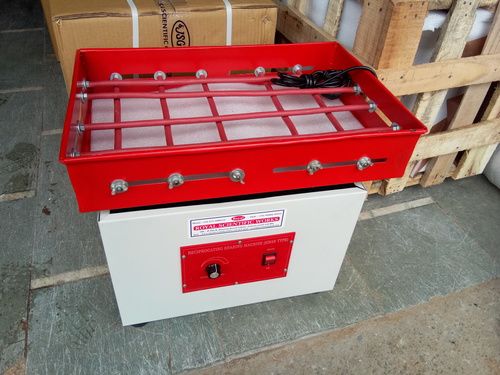
Tell us about your requirement

Price:
Quantity
Select Unit
- 50
- 100
- 200
- 250
- 500
- 1000+
Additional detail
Mobile number
Email

More Products in HOSPITAL INSTRUMENTS Category
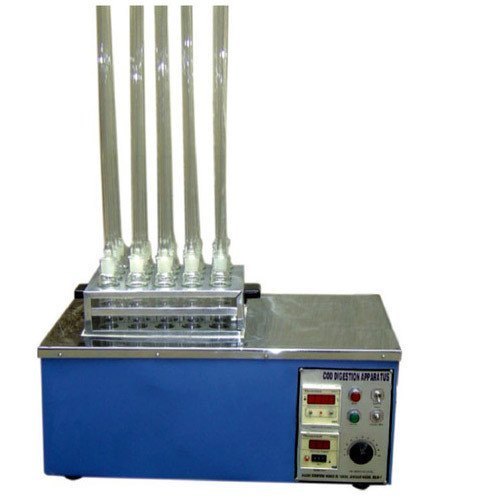
COD Digestion APP
Condition : New
Material : Other, Aluminium/Plastic Body
Portable : Yes
Weight : Approx. 6 kg
Wall Mounted : No
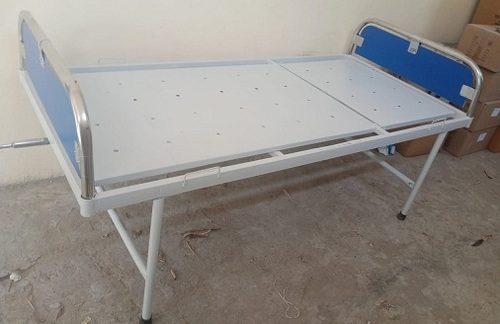
Hospital Bed
Minimum Order Quantity : 1 Piece
Condition : New
Material : Other, Powder Coated Steel, ABS Head/Foot Boards
Portable : Other, Yes, with Swivel Castors
Weight : Approx. 50 kg
Wall Mounted : No
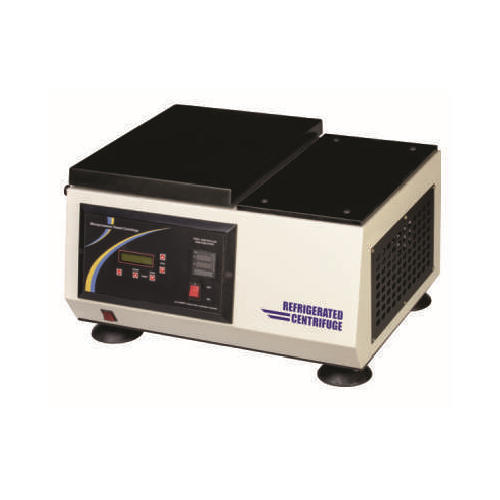
Refrigerated Centrifuge
Condition : New
Material : Other, Stainless Steel Chamber, PowderCoated Steel Housing
Portable : Yes
Weight : 85 kg
Wall Mounted : No
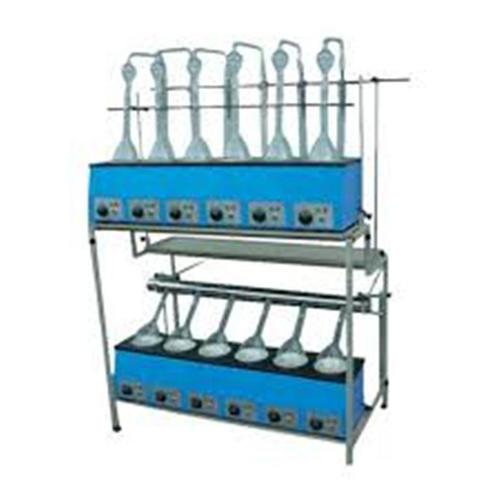
Kjeldhal Digestion & Distilation Unit
Condition : New
Material : Other, Mild Steel with Powder Coating and Borosilicate Glass Parts
Portable : Other, Table Top Model
Weight : Approx. 28 kg
Wall Mounted : No

"We are accepting only bulk quantity orders."
Contact Details
ROYAL SCIENTIFIC WORKS
GST : 06BOHPS6662C1ZS
- Village Keshopur, P.O Sambhalkha, Distt Ambala, Ambala Cantt - 133101, Haryana, India
- Phone :08071930543
 Send Inquiry
Developed and Managed by Infocom Network Private Limited.
