
Call: 08071930543
 Send Inquiry
 Send Inquiry
Rotary Microtome
Rotary Microtome Specification
- Material
- Metal Body with Stainless Steel components
- Condition
- New
- Portable
- No
- Disposable
- No
- Wall Mounted
- No
- Waterproof
- No
- Sterilization Mode
- Manual cleaning recommended
- Noise Level
- Low
- Sound Prompt
- No
- Operating Type
- Manual
- Power Source
- Not Required (Manual operation)
- Dimension (L*W*H)
- Approx. 400 x 300 x 250 mm
- Weight
- Approx. 17 kg
- Color
- White with Black knobs
- Usage
- For precise sectioning of tissue samples in histology laboratories
- Knife Holder
- Universal model, accepts all standard microtome blades
- Specimen Clamp
- Universal clamp for different sizes of cassettes and blocks
- Equipment Type
- Rotary Microtome
- Section Thickness Range
- 125 microns, adjustable
- Cutting Stroke Length
- Approx. 60 mm
- Maintenance
- Corrosion-resistant, easy to clean and maintain
- Section Thickness Selection
- Easy dial setting
- Feed Mechanism
- Precision mechanical rotary action with feed adjustment
- Coarse Feed
- Available, manual advance wheel
- Application
- Suitable for medical, educational, and research laboratories
- Trimming Thickness
- 10250 microns
About Rotary Microtome
Rotary Microtome
| Brand | ROYAL SCIENTIFIC WORKS |
| Usage/Application | Hospital, Laboratory |
| Model Name/Number | RS-101 |
| Range of Section Thickness | 1 micro m to 50 micro m |
| Each Section Thickness | 1 micro m |
| The range of Section thickness | Front Located Feed Indicator micron setting Knob |
Precision Section Thickness Control
The Rotary Microtome enables fine adjustment of section thickness from 1 to 25 microns with its easy dial setting. This feature allows users to select optimal thickness for different tissue samples, ensuring high-quality sections suited for detailed analysis. Adjustable trimming thickness between 10 and 250 microns further enhances versatility, making the microtome ideal for a range of histological applications.
Universal Compatibility and Robust Design
Engineered for reliability, the universal knife holder accepts all standard microtome blades, while the specimen clamp accommodates diverse cassette and block sizes. Its sturdy metal body and stainless steel components provide durability, corrosion resistance, and ease of cleaning. These attributes simplify ongoing maintenance and preserve precision over long-term usage.
Manual Operation for Simplicity and Safety
Operating without electricity, the microtome offers total control with its manual advance wheel and coarse feed option. Its low noise output and manual cleaning recommendation ensure a safe, quiet work environment. The compact design approximately 400 x 300 x 250 mm and 17 kg is optimized for benchtop placement in laboratories of all sizes.
FAQs of Rotary Microtome:
Q: How do I adjust the section thickness on the Rotary Microtome?
A: The Rotary Microtome features an easy dial setting that allows you to select and adjust the section thickness from 1 to 25 microns for regular cuts and 10 to 250 microns for trimming. Simply turn the dial to the desired thickness for precise control over your sectioning requirements.Q: What types of blades and specimen cassettes are compatible with this microtome?
A: This model is equipped with a universal knife holder, which accepts all standard microtome blades. The universal specimen clamp accommodates various sizes of cassettes and blocks, ensuring broad compatibility across laboratory consumables.Q: When should manual cleaning be performed for maintenance?
A: It is recommended to manually clean the microtome after each use or at least daily in busy laboratory settings. Regular cleaning maintains the instruments performance, prevents corrosion, and ensures safe, contamination-free operation.Q: Where can the Rotary Microtome be used?
A: This microtome is designed for use in medical, educational, and research laboratories. Its robust build and versatile features make it suitable for a wide range of histological applications in institutions or facilities requiring precise tissue sectioning.Q: What is the process for trimming or coarse feeding specimens?
A: The instrument includes a manual advance wheel and a coarse feed mechanism, enabling users to move the specimen towards the blade for thicker trimming (10250 microns) prior to precision sectioning. This feature streamlines sample preparation and adaptation for various tissue types.Q: What are the benefits of using a manually operated microtome in the laboratory?
A: Manual operation provides direct control over the cutting process, enhances safety, and reduces noise levels in the laboratory. Additionally, it does not require a power source, making it reliable during power outages and in settings where electricity is limited.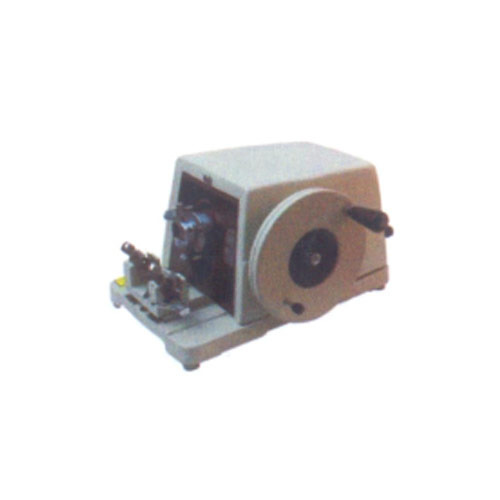
Tell us about your requirement

Price:
Quantity
Select Unit
- 50
- 100
- 200
- 250
- 500
- 1000+
Additional detail
Mobile number
Email

More Products in HOSPITAL INSTRUMENTS Category
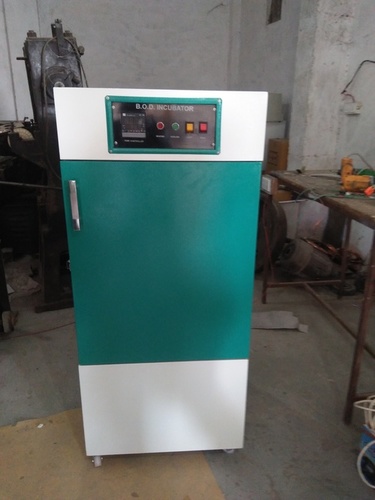
Bod Incubator
Price 135000 INR / Unit
Minimum Order Quantity : 1 Unit
Portable : No
Operating Type : Automatic
Condition : New
Material : Other, Mild Steel (MS) with powder coated finish
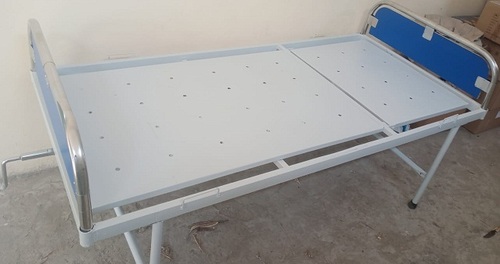
HOSPITAL BED
Price 15000 INR / Unit
Minimum Order Quantity : 1 Unit
Portable : Other, Yes, with wheels/casters
Operating Type : Other, Manual with crank adjustment
Condition : New
Material : Other, Mild Steel frame with epoxy powder coating
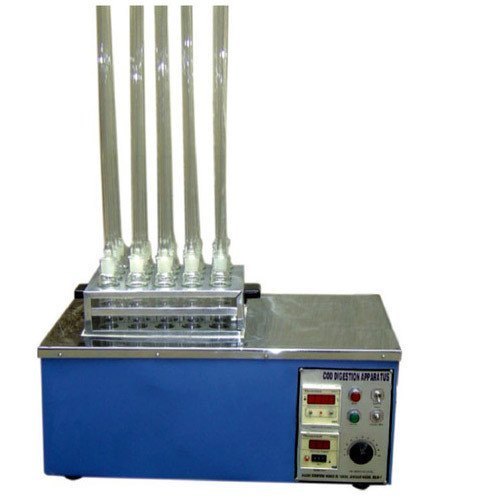
COD Digestion APP
Portable : Yes
Operating Type : Other, Digital/Automatic
Condition : New
Material : Other, Aluminium/Plastic Body
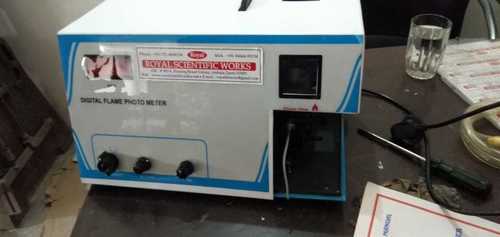
Flame Photoleter
Portable : Yes
Operating Type : Other, Manual and Digital
Condition : New
Material : Other, Metal and plastic

"We are accepting only bulk quantity orders."
Contact Details
ROYAL SCIENTIFIC WORKS
GST : 06BOHPS6662C1ZS
- Village Keshopur, P.O Sambhalkha, Distt Ambala, Ambala Cantt - 133101, Haryana, India
- Phone :08071930543
 Send Inquiry
Developed and Managed by Infocom Network Private Limited.
