
Call: 08071930543
 Send Inquiry
 Send Inquiry
Digital Turbidity Meters
MOQ : 1 Piece
Digital Turbidity Meters Specification
- Usage
- Use For Laboratory
- Dimension (L*W*H)
- 305 x 305 x 165 Millimeter (mm)
- Product Type
- Turbidity Meter
- Power
- 50 Watt (w)
- Voltage
- 220 Volt (v)
- Material
- Steel And Plastic
- Application
- Laboratory
- Warranty
- 1 Year
Digital Turbidity Meters Trade Information
- Minimum Order Quantity
- 1 Piece
- Payment Terms
- Letter of Credit (L/C), Telegraphic Transfer (T/T), Letter of Credit at Sight (Sight L/C)
- Supply Ability
- 10 Pieces Per Week
- Delivery Time
- 1 Week
- Main Export Market(s)
- Western Europe, Australia, North America, South America, Eastern Europe, Middle East, Central America, Asia, Africa
- Main Domestic Market
- All India
About Digital Turbidity Meters
DIGITEL TURBIDITY METER-
Salient Features
Highly Stable and Accurate
Cell Constant Adjustment Facility
Available in Lab & Field models
Temperature Coefficient Correction facility
TECHNICAL SPECIFICATIONS
- DISPLAY : 3 DIGIT LED
- MEASUREMENT : TDS
- RANGES : 5 RANGES
- 0 TO 200 PPM
- 0 TO 2000 PPM
- 0 TO 20 PPT (20000 PPM)
- 0 TO 200PPT (200000 PPM)
- 0 TO 1000 PPT (1000000 PPM)
- ACCURACY : 1 % FS DIGIT
- TEMPERATURE COMPENSATION: MANUAL: 0 TO 50C
- CELL CONSTANT : ADJUSTABLE WITH INDICATION ON DISPLAY
- MEASURING CELL : PLATINUM DIP TYPE
- RESOLUTION : 0.1PPM
- POWER : 230V 10 % AC, 50 HZ
- ACCESSORIES : 1 NO. TDS CELL
- 1 NO.OPERATIONAL MANUAL
- 1 NO. DUST COVER
- WEIGHT : 2.5 KG (APPROX.)
Reliable Measurement and Durability
Built with a combination of steel and plastic, these Digital Turbidity Meters ensure long-lasting performance and resilience to laboratory conditions. The compact dimensions allow easy placement and handling, while the robust materials provide protection against frequent use. Its design focuses on both usability and endurance, making it ideal for laboratory professionals.
Efficient Laboratory Application
Digital Turbidity Meters offer precise turbidity readings for water analysis, critical in laboratory settings. The meter operates efficiently at 220V and 50W, ensuring dependable results while optimizing energy use. Its specialized application for laboratories enables seamless integration into quality control and research routines, supporting reliable data collection.
FAQs of Digital Turbidity Meters:
Q: How do you use a Digital Turbidity Meter in laboratory applications?
A: To use the Digital Turbidity Meter, place the prepared liquid sample into the meters sample compartment, close the cover, and initiate the measurement using the devices controls. The meter analyzes the turbidity and displays the result digitally, ensuring precise readings for laboratory analysis.Q: What materials are Digital Turbidity Meters made of, and why are they suitable for laboratories?
A: These meters are constructed from steel and plastic, offering durability, corrosion resistance, and longevity. This blend of materials makes them ideal for frequent laboratory use, as they can withstand chemical exposure and rough handling during routine operations.Q: When should a Digital Turbidity Meter be calibrated for accurate results?
A: Calibration should be performed before each measurement session or when accuracy is critical. Many laboratories calibrate their meters daily or before analyzing important samples to guarantee precise and reliable readings.Q: Where can Digital Turbidity Meters be sourced in India?
A: Digital Turbidity Meters are available from distributors, exporters, manufacturers, suppliers, and traders throughout India. Their nationwide availability ensures laboratories can easily acquire these precision instruments as needed.Q: What is the process for maintaining a Digital Turbidity Meter?
A: Routine maintenance involves cleaning the sample chamber, checking for dirt or residue on optical components, and periodic calibration. Following manufacturer guidelines and storing the meter in a clean, dry place ensures consistent performance throughout its 1-year warranty period.Q: What voltage and power requirements do these meters have?
A: The meters operate at a voltage of 220 volts and consume 50 watts of power, making them compatible with standard laboratory electrical systems in India. This ensures effective operation without needing specialized power sources.Q: What are the benefits of using a Digital Turbidity Meter in laboratory settings?
A: Using a Digital Turbidity Meter provides fast, accurate, and reliable turbidity readings, which are critical for water analysis and quality control. Its durable build and user-friendly design make it a preferred choice for laboratories, increasing efficiency and data confidence.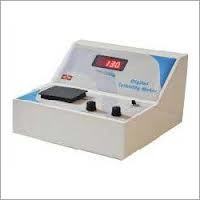
Tell us about your requirement

Price:
Quantity
Select Unit
- 50
- 100
- 200
- 250
- 500
- 1000+
Additional detail
Mobile number
Email

More Products in ANALYTICAL INSTRUMENTS Category
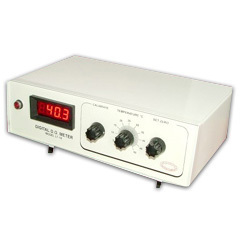
dissolved oxygen meter
Price 8000 INR / Piece
Minimum Order Quantity : 1 Piece
Voltage : 220240 Volt (v)
Material : Steel
Usage : Use For Laboratory
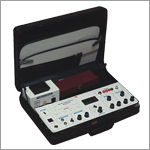
WATER & SOIL ANALYSIS KIT MODEL
Price Range 5000.00 - 15000.00 INR / Piece
Minimum Order Quantity : 1 Piece
Voltage : 230 Volt (v)
Material : Plastic And Steel
Usage : Use For Laboratory
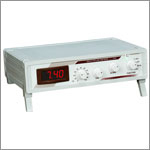
DIGITAL PH METER
Price 5000 INR / Piece
Minimum Order Quantity : 1 Piece
Voltage : 220240 Volt (v)
Material : Plastic And Steel
Usage : Use For Laboratory
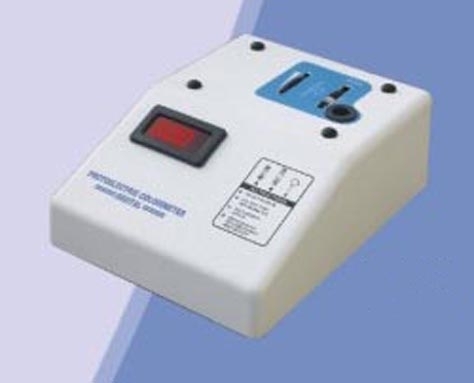
Digital Photo Colorimeter
Price Range 5000.00 - 10000.00 INR / Piece
Minimum Order Quantity : 1 Piece
Voltage : 220240 Volt (v)
Material : Steel
Usage : Use For Laboratory

"We are accepting only bulk quantity orders."
Contact Details
ROYAL SCIENTIFIC WORKS
GST : 06BOHPS6662C1ZS
- Village Keshopur, P.O Sambhalkha, Distt Ambala, Ambala Cantt - 133101, Haryana, India
- Phone :08071930543
 Send Inquiry
Developed and Managed by Infocom Network Private Limited.
